Email:sales2@tjqiangbang.com Tel:+022 87820460

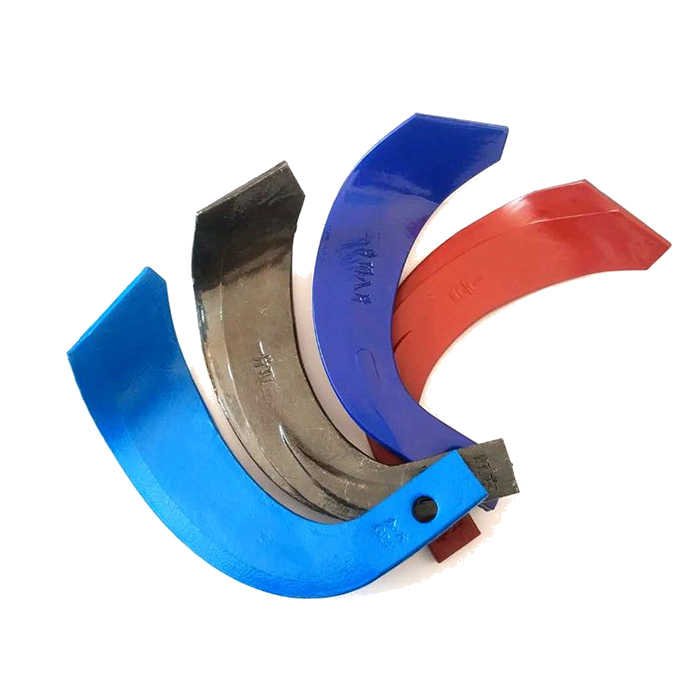
How Often Should You Change Rotary Tiller Blades?

Everything You Need to Know About Blade Lifespan, Maintenance, and Replacement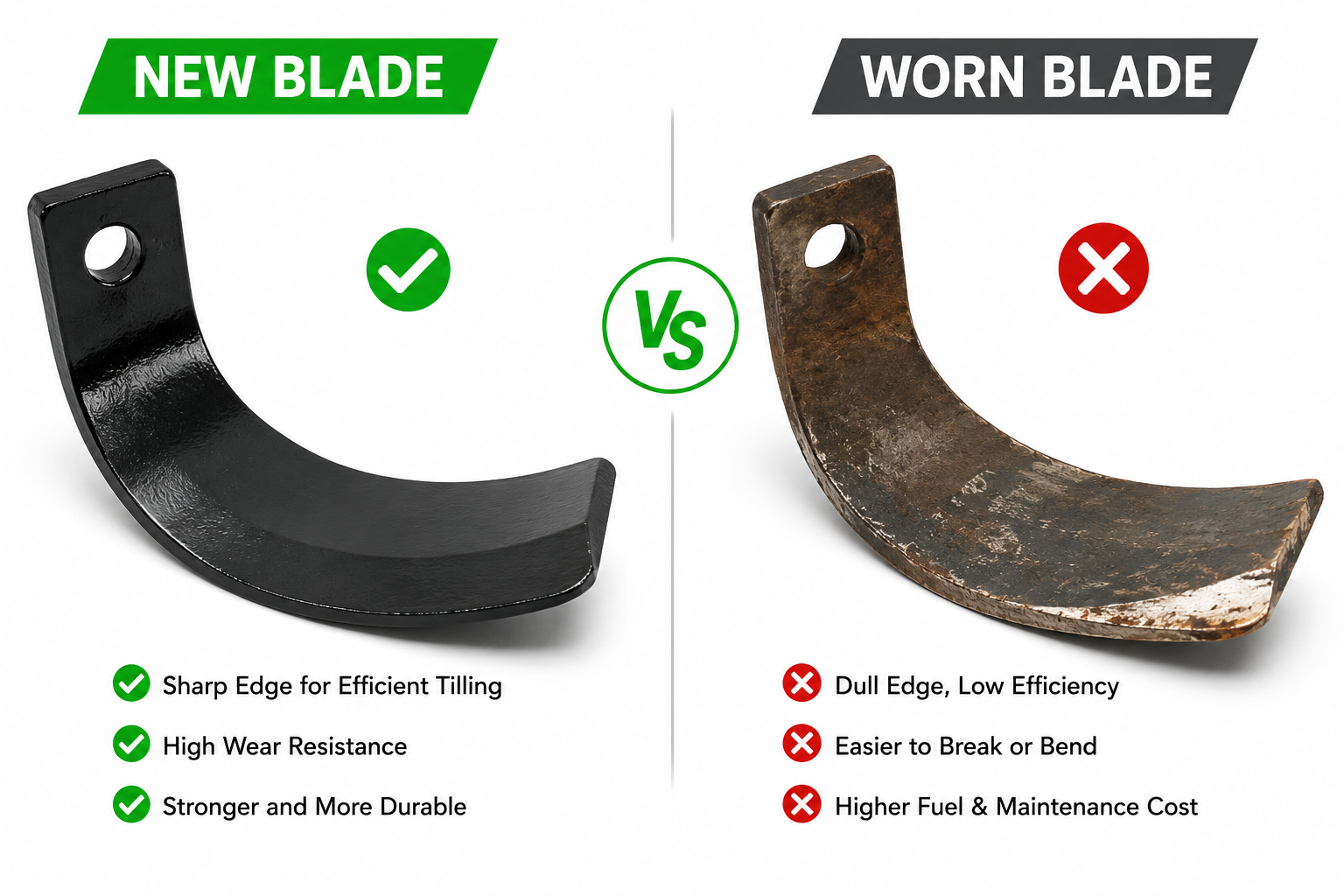
How Often Should You Change Rotary Tiller Blades
Rotary tiller blades are among the hardest-working parts of a rotary tiller, constantly cutting through soil, rocks, roots, and crop residue. As a result, wear is inevitable. Even high-quality blades gradually lose their sharpness, reducing tillage efficiency and increasing fuel consumption.
Blade replacement isn’t based on a fixed schedule. Its timing depends on factors such as soil conditions, operating hours, blade material, and maintenance. This guide explains the key signs of blade wear, what affects blade lifespan, and how proper maintenance helps you achieve better performance and longer-lasting rotary tiller blades.
Why Rotary Tiller Blade Condition Matters
A sharp and properly shaped rotary tiller blade delivers several important benefits:
- Better soil pulverization
- Improved seedbed preparation
- Lower tractor fuel consumption
- Reduced vibration
- Higher working efficiency
- Longer gearbox and rotor life
When blades become dull or damaged, the tiller has to work harder. This increases stress on the machine while producing poorer soil conditions for planting.
How Long Do Rotary Tiller Blades Last
There is no universal replacement interval because working conditions vary significantly.
Generally speaking:
| Working Condition | Estimated Blade Life |
| Light sandy soil | 400–600 hours |
| Normal farmland | 300–500 hours |
| Heavy clay soil | 200–350 hours |
| Rocky soil | 100–250 hours |
If your tiller operates frequently in rocky or abrasive soil, blades may need replacement much sooner.
For commercial farming, inspecting blades every 50–100 operating hours is highly recommended.
5 Signs It’s Time to Replace Rotary Tiller Blades
1.Blade Edges Become Rounded
Sharp cutting edges gradually wear into smooth, rounded surfaces.
Symptoms include:
- Poor soil penetration
- Larger soil clods
- Higher fuel consumption
Once the cutting edge loses its profile, sharpening offers only temporary improvement.
2.Blade Length Has Significantly Reduced
Every hour of tillage removes a small amount of steel.
When blade length has worn by approximately 20–25%, replacement is generally recommended because:
- Working depth decreases
- Soil mixing becomes uneven
- Rotor balance changes
3.Bent or Twisted Blades
Hitting rocks or tree roots can bend blades.
Bent blades cause:
- Machine vibration
- Uneven tillage
- Rotor imbalance
- Additional bearing wear
Never continue operating with severely bent blades.
4.Cracks or Broken Tips
Cracked blades should be replaced immediately.
A cracked blade may eventually break apart during operation, creating safety risks and damaging nearby components.
5.Poor Tillage Quality
Sometimes the field itself reveals the problem.
If you notice:
- Uneven cultivation
- Uncut strips
- Poor residue incorporation
- Rough seedbeds
Factors That Affect Blade Life
Soil Type
The soil itself determines blade wear.
Sandy soil
contains abrasive particles that gradually grind away blade edges.
Clay soil
creates heavier loads but usually causes slower abrasive wear.
Rocky soil
produces impact damage and sudden breakage.
Should You Sharpen Rotary Tiller Blades?
Many farmers wonder whether sharpening blades is worthwhile.
The answer is:
Yes—but only when wear is minor.
Light sharpening can restore cutting performance if:
- Blade shape remains intact
- No cracks are present
- Blade length has not significantly decreased
However, repeated grinding removes hardened material, shortening blade life.
Once blades become heavily worn, replacement is the better investment.
Tips to Extend Rotary Tiller Blade Life
Proper maintenance can significantly increase service life.
1.Clean After Every Use
Remove:
- Wet soil
- Fertilizer residue
- Plant material
Cleaning helps prevent corrosion.
2.Check Blade Bolts
Loose bolts allow blades to move during operation, accelerating wear.
Inspect and tighten mounting hardware regularly.
3.Rotate Blade Positions
On some tiller models, wear is uneven across the rotor.
Rotating blade positions during maintenance can help distribute wear more evenly.
4.Avoid Hidden Obstacles
Before tillage:
- Remove large rocks
- Clear tree branches
- Mark buried obstacles
Reducing impacts greatly extends blade lifespan.
5.Store Properly
When not in use:
- Store indoors
- Keep blades dry
- Apply light protective oil if storing for long periods
Proper storage prevents rust and preserves blade strength.
Final Thoughts
Knowing how often to change rotary tiller blades helps maintain excellent tillage quality, reduce fuel costs, and protect your equipment.
Rather than replacing blades on a fixed schedule, inspect them regularly for wear, cracking, and deformation. In most farming operations, routine inspections every 50–100 working hours and timely replacement when wear becomes significant provide the best balance between cost and performance.