Email:sales2@tjqiangbang.com Tel:+022 87820460

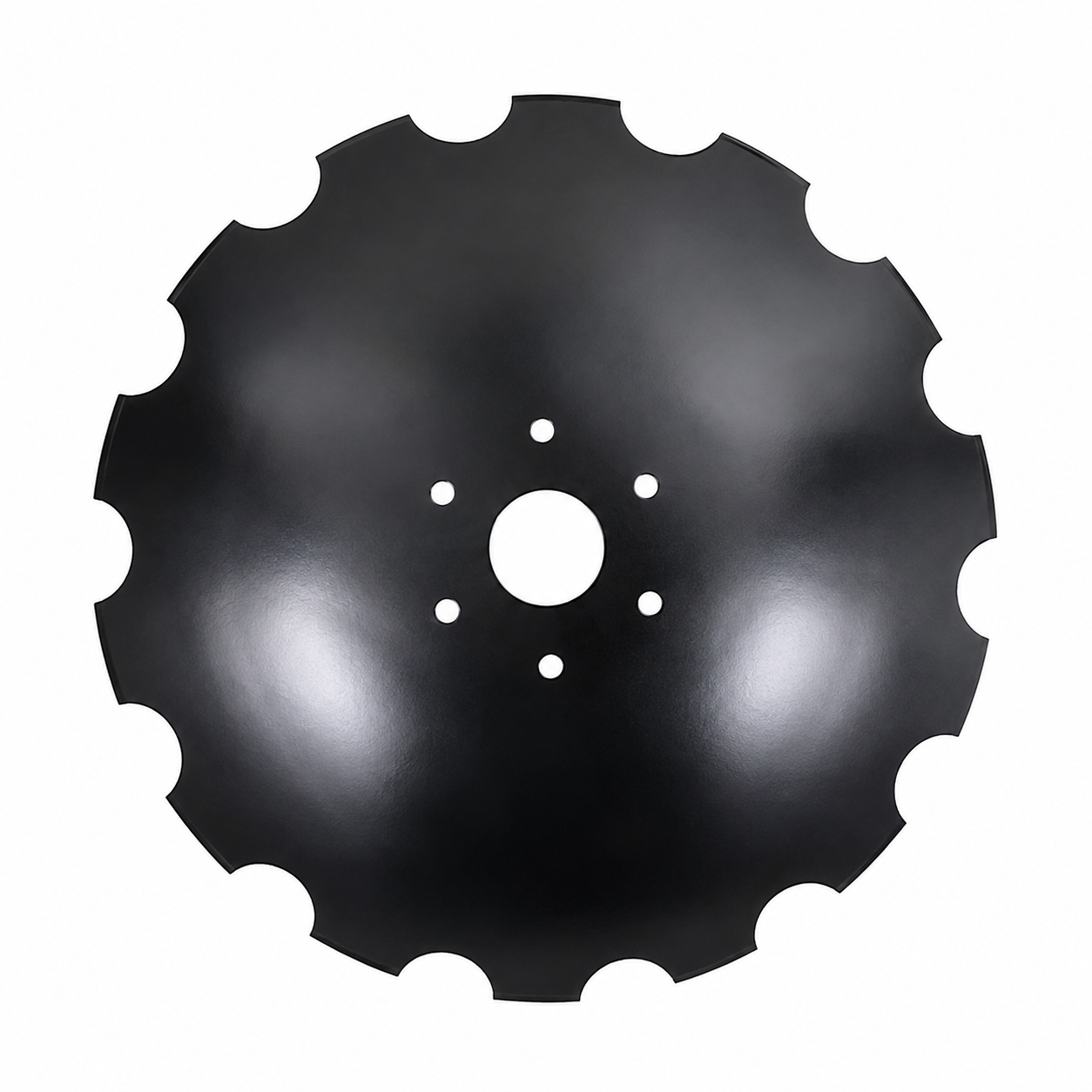
how to choose the right disc blade for your disc harrow

Selecting the right disc blade for your disc harrow is one of the simplest ways to boost your tillage performance, cut down on unnecessary machine wear, and get cleaner, more consistent soil preparation results. A lot of farmers end up with poor field finishing, higher fuel bills, and constant part replacements simply because they run the wrong blades for their soil and working conditions. With so many sizes, styles, and grades of disc blades available, it pays to know what to look for before you buy.
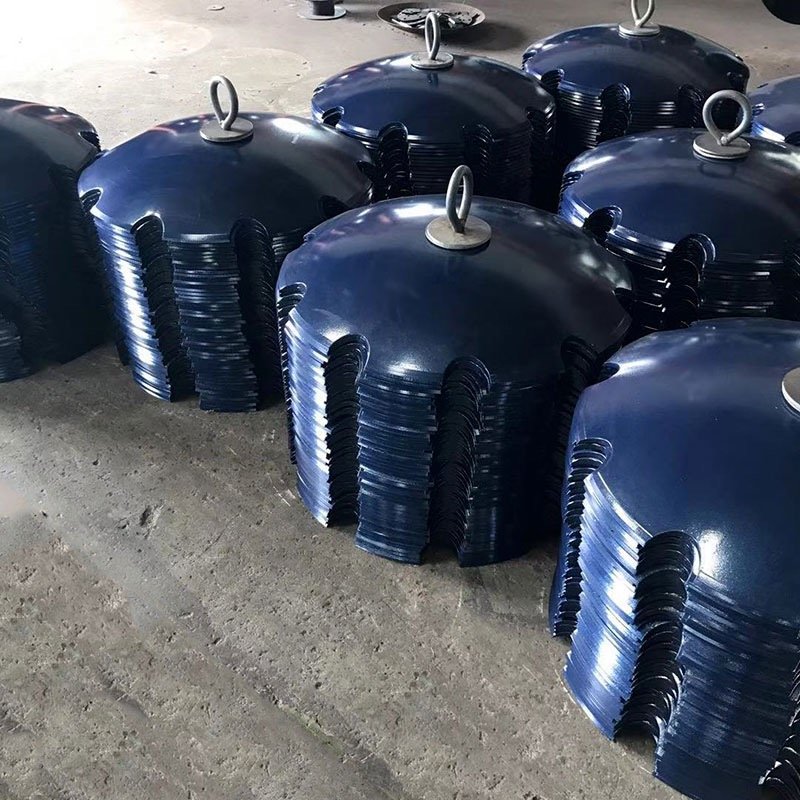
1.Match Disc Blade Type to Soil and Field Conditions
Your soil type and field conditions should always guide your blade choice. Smooth disc blades work great in loose, loamy soil and for lighter tillage jobs. They are perfect for final seedbed finishing and light weeding, leaving a clean, even soil surface with minimal disruption. If your land is hard and compacted, full of stones, or covered in heavy crop residue such as corn stalks, notched disc blades will serve you much better. Their sharp serrated edges slice through tough residue and break up hardened soil easily, without clogging up during operation. They are the go-to option for deep tillage and rough field renovation work.
2.Pick the Right Blade Diameter and Thickness
Blade diameter and thickness make a huge difference in daily working performance. Most standard disc blades range from 450mm to 710mm in diameter. Smaller blades handle shallow tillage depth perfectly for fine seedbeds and vegetable plots, while larger blades deliver the stability and depth needed for dryland farming and fallow field restoration. Thinner blades cut down soil resistance and save fuel for light, regular tillage. Thicker blades offer far better rigidity, standing up to rocky ground and heavy-duty use without bending or deforming.
3.Prioritize High-Quality Blade Materials
Blade material determines how long your new parts will last in the field. Top-quality disc blades use high-carbon steel or boron steel with professional heat treatment. This manufacturing process gives them consistent hardness, strong wear resistance, and better overall toughness. Cheaper untreated blades wear out fast, bend easily, and crack under heavy loads, creating downtime and extra replacement costs throughout the farming season.
4.Ensure Full Compatibility With Your Disc Harrow
Never overlook basic compatibility with your existing disc harrow. Always double-check mounting hole size, spacing, and blade curvature before fitting new parts. Blades that do not match your machine will cause unwanted vibration, unstable operation, and even premature damage to your harrow. Match your blades to your soil, tillage depth and machine specs, and you will get reliable, cost-effective tillage performance every time you work the field.