Email:sales2@tjqiangbang.com Tel:+022 87820460

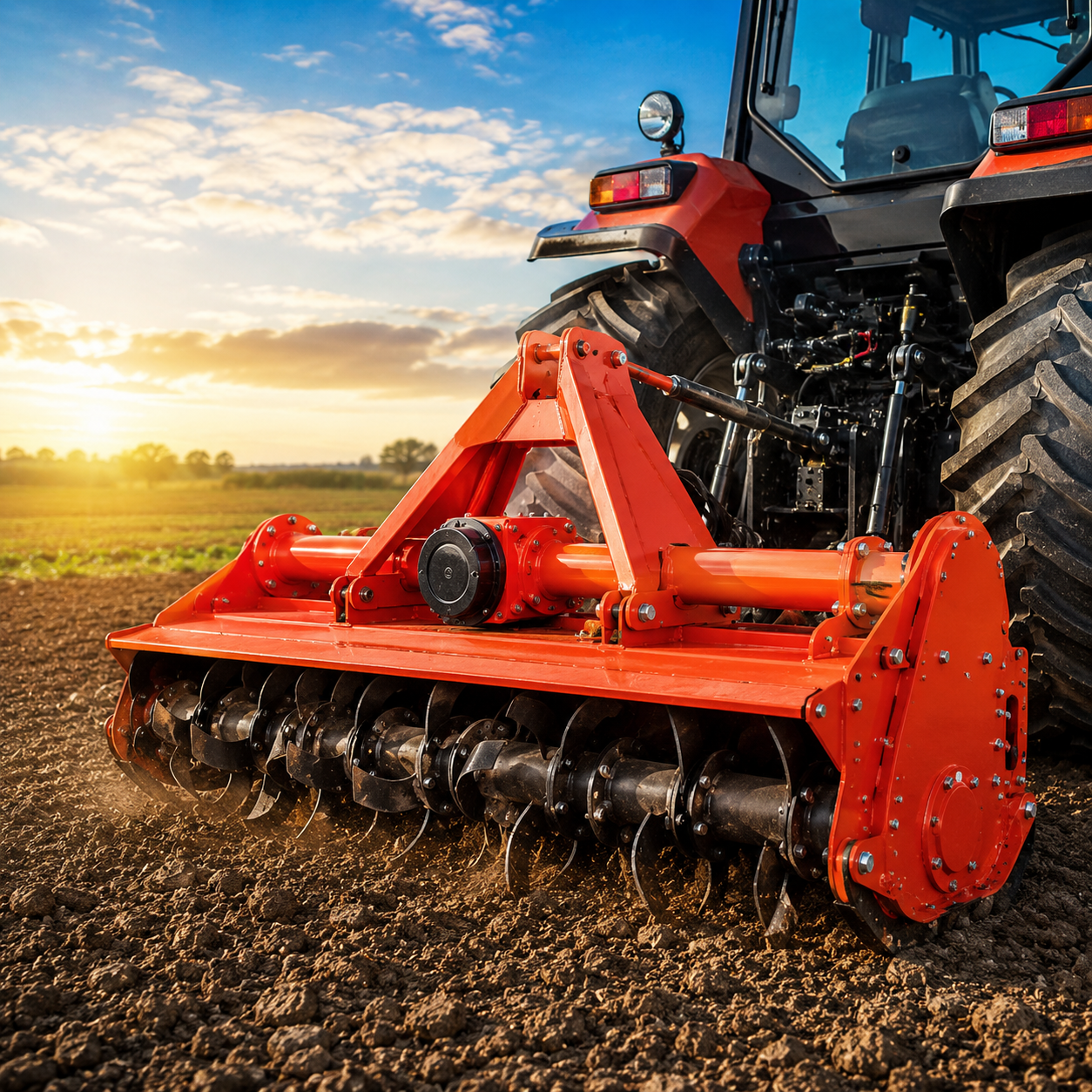
How to Choose the Right Rotary Tiller for Your Tractor

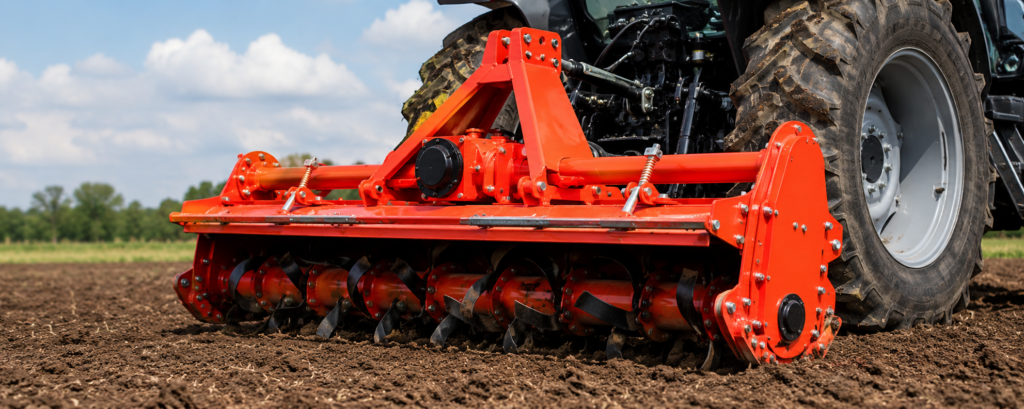
Selecting the right rotary tiller for your tractor is essential for achieving efficient soil preparation, reducing operating costs, and extending the service life of both the tractor and the implement. A properly matched rotary tiller improves field performance, creates an ideal seedbed, and helps maximize overall farming productivity.
1
Match the Rotary Tiller to Tractor Horsepower
The first factor to consider is tractor horsepower. Every rotary tiller is designed for a specific power range, and choosing one that exceeds your tractor’s capacity can reduce working efficiency and place unnecessary strain on the engine and transmission. On the other hand, a tiller that is too small may not fully utilize the tractor’s potential. Always select a rotary tiller that matches the manufacturer’s recommended horsepower range.
2
Choose the Correct Working Width
Working width directly affects field efficiency. A wider rotary tiller covers more ground in fewer passes, making it suitable for large farms. Smaller fields, orchards, and greenhouses often benefit from narrower models that offer better maneuverability. In most cases, the tiller’s working width should be close to or slightly wider than the tractor’s wheel track to ensure complete soil coverage.
3
Consider Soil Conditions
Different soil types require different blade designs and machine strengths. Soft and sandy soils can usually be cultivated with standard rotary tillers, while clay, compacted, or rocky soils require heavy-duty models with stronger frames and durable blades. If your fields contain crop residue or roots, choose a rotary tiller designed for demanding conditions.
4
Pay Attention to Blade Quality
Rotary tiller blades are the core working components. High-quality blades made from heat-treated boron steel or alloy steel provide better wear resistance, maintain sharp cutting edges longer, and reduce replacement frequency. Investing in durable blades lowers maintenance costs and improves long-term performance.
5
Think About Maintenance and Spare Parts
Choose a rotary tiller from a manufacturer that offers reliable after-sales support and readily available spare parts. Easy access to replacement blades, gearboxes, bearings, and seals minimizes downtime during busy farming seasons.
Conclusion
Choosing the right rotary tiller is about more than simply matching size. Horsepower, working width, soil conditions, PTO compatibility, blade quality, and long-term maintenance all play important roles in finding the best solution. By selecting a rotary tiller that fits both your tractor and your farming requirements, you can improve tillage quality, increase efficiency, and achieve better crop production year after year.